Compassionate Hoarding Cleanup: Making Homes Habitable Again
Learn how compassionate hoarding cleanup works, from the first no-judgment walkthrough to making a severely cluttered home safe and livable again.
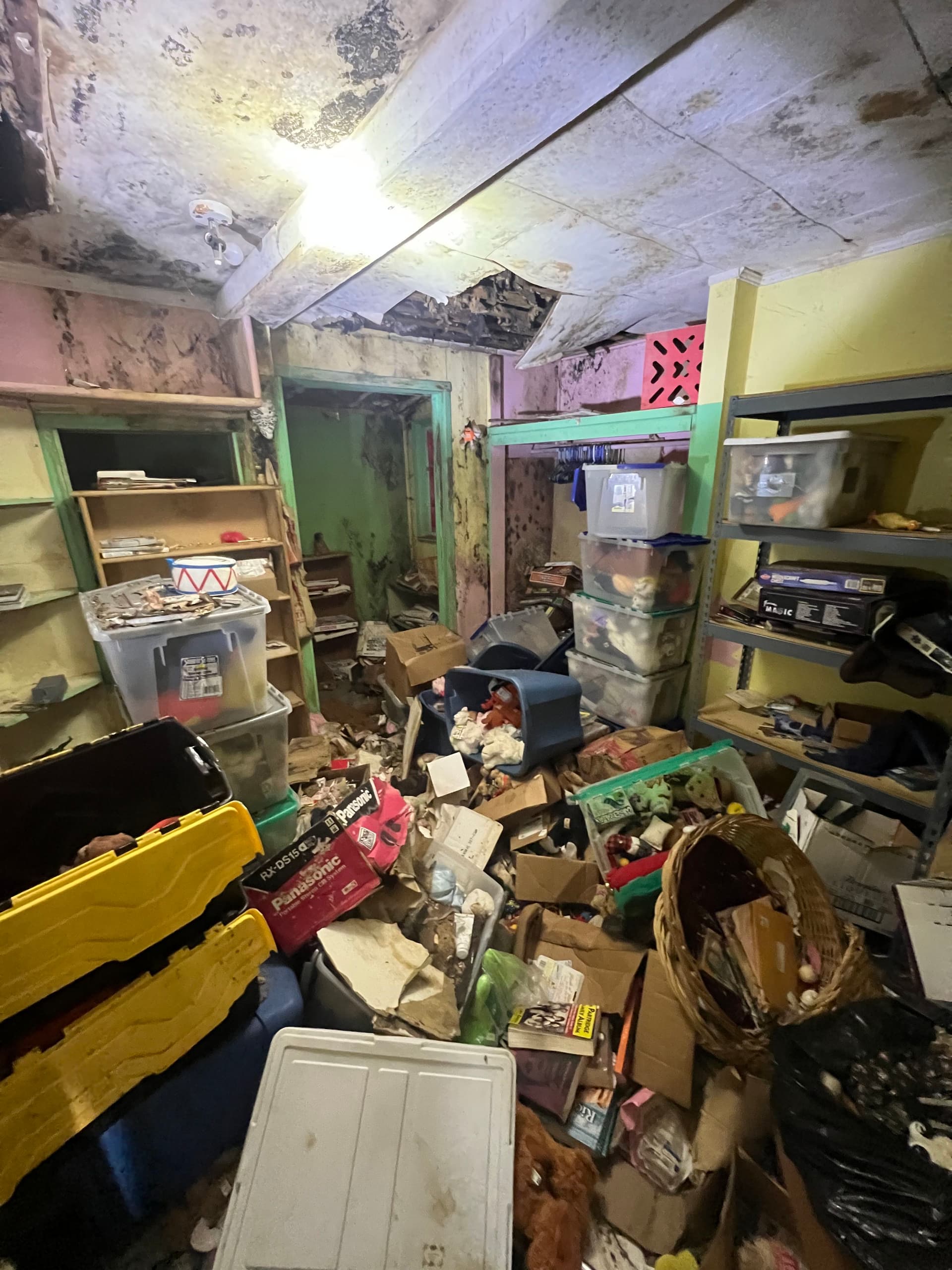
Compassionate Hoarding Cleanup: How We Make Homes Habitable Again
We recently got a call from a customer — let’s call her Linda — who was trying to help her father-in-law in a very tough situation. He’d been living in the same house for decades, and over the years it had become what most people would consider a hoarder’s home. Piles of belongings, trash, and who-knows-what-else in every room. On top of that, there were mice in the house, and his wife was about to move into a care facility.
Linda told us he still wanted to live there, but the home was in very, very bad shape. They hadn’t been allowed inside for over 15 years, so even the family wasn’t sure what they were walking into. Her big questions were simple but important: How does this process work? What do we need to do? What can we expect?
We want to walk you through the same compassionate, step-by-step approach we shared with Linda, so you know what really happens when a professional crew tackles a severe hoarding cleanup.
Step 1: A Private, No-Judgment Walkthrough
The very first step is always an on-site assessment. For serious hoarding situations, there’s no way to give an honest quote or realistic plan without seeing the home in person. Photos or descriptions almost never tell the full story.
We know this is often the hardest part. Many homeowners feel embarrassed, ashamed, or afraid of being judged. When we spoke with Linda, we made it clear that:
We approach every hoarding job with compassion and discretion.
The homeowner doesn’t have to be present for the walkthrough if that’s more comfortable.
We only take photos or videos for our internal planning and, with written permission, for marketing — and if the family is not comfortable with that, we simply don’t take or use any images.
During the walkthrough, we’re looking for more than just clutter. We’re assessing:
Safety hazards: blocked exits, unstable stacks, fire risks
Biohazards: animal droppings, mold, spoiled food, possible sewage issues
Structural concerns: sagging floors, damaged walls, water damage
Pest activity: like the mice problem Linda mentioned
All of this helps us build a realistic game plan and accurate quote before we ever move the first box.
Step 2: Coordinating With Pest Control and Other Pros
Linda was upfront that they already had a pest control company on site, working on the mice problem inside and outside the home. She was worried that might get in our way.
In reality, that kind of teamwork is ideal. We often coordinate with:
Pest control to handle rodents, roaches, or other infestations
Restoration contractors for water or fire damage discovered under the clutter
Electricians or plumbers if utilities have been compromised or turned off
We explained to Linda that we could easily work around the pest control crew during our assessment. On actual cleanup days, we’ll typically schedule our work so that major pest treatment has either just been done or is happening in coordination with our team.
Step 3: Creating a Customized Cleanup Plan
Once we’ve seen the home, we put together a detailed plan and estimate that usually covers:
How many days the project is likely to take
How many crew members we’ll need
What equipment and protective gear are required
How many dumpsters or truckloads we anticipate
Any special handling for sentimental items, documents, or valuables
For severe hoarding situations, homeowners and families are often worried we’ll just “throw everything away.” We make it clear that our goal is to make the home safe and livable, while still respecting the homeowner’s wishes and important possessions.
Depending on the homeowner’s comfort level, we might:
Have them present in a separate room to approve items as we work
Work from a pre-agreed list of items that must be saved (important papers, photos, heirlooms)
Set up “keep,” “donate,” “recycle,” and “trash” categories
Step 4: What to Expect on Cleanup Day
Once the plan is approved, we schedule the actual cleanup days. For a severely cluttered home, you can expect:
Arrival window: We work discreetly and keep conversations professional and low-key for neighbors’ sake.
Protective gear: Our crew wears gloves, masks or respirators, and sometimes full protective suits, especially when there are rodents or other biohazards.
Systematic sorting: We usually start at the entry and work room by room, creating clear walkways first, then fully clearing each space.
Frequent check-ins: If the homeowner or family is onsite, we pause at key points to confirm decisions on borderline items.
Most projects of this size take anywhere from one to several full days, depending on how many rooms are affected and how hazardous the conditions are. We’ll make that timeline as clear as possible before we start so the family can plan around it.
Step 5: Handling the Emotional Side of Hoarding Cleanup
For many families, the emotional piece is harder than the physical work. When someone has lived with clutter for years, even unsafe items can feel deeply personal.
We encourage families to:
Focus on safety first. Framing the project as making the home “safe and comfortable” (as Linda did for her father-in-law) usually feels more respectful than just “cleaning out the mess.”
Let professionals be the “bad guys.” Sometimes it helps relationships if our crew, not family members, is the one actually removing items.
Set small wins. Celebrating when one room or pathway is cleared can make the process feel less overwhelming.
We’ll often adjust our pace and approach based on how the homeowner is coping. Some people prefer to step away entirely and come back to a transformed home; others want to be present for every decision. We work with both.
Step 6: Making the Home Livable — and Keeping It That Way
By the time we’re done, our goal is for the home to be:
Clear of excess clutter and trash
Safely accessible, with open pathways and reachable exits
Ready for follow-up cleaning or repairs (either by us or another service)
In many severe hoarding cases, there may still be follow-up work needed: deep cleaning, minor repairs, or additional pest treatments. We’ll point out any areas of concern we find under the clutter so the family knows what to address next.
To help keep the home habitable after a major cleanup, we often suggest:
Scheduling periodic light cleanouts once or twice a year
Setting simple rules like “no items stored on the floor in hallways”
Bringing in a counselor or support group if hoarding is linked to deeper emotional challenges
Thinking About a Hoarding Cleanup? Here’s Your First Step
If you’re in a situation like Linda’s — trying to help a loved one whose home has become overwhelming — you don’t have to figure it out alone. The most important first step is simply to schedule a no-pressure walkthrough so we can see what you’re dealing with and talk through options.
We’ll keep the process as compassionate, discreet, and straightforward as possible, and we’ll work with you to make that severely cluttered house feel like a home again.