House Cleanouts for Elderly Moves Without a Dumpster
Moving elderly parents into assisted living? Learn practical, dumpster-free options for house cleanouts, from pricing and planning to what we can and can’t haul away.
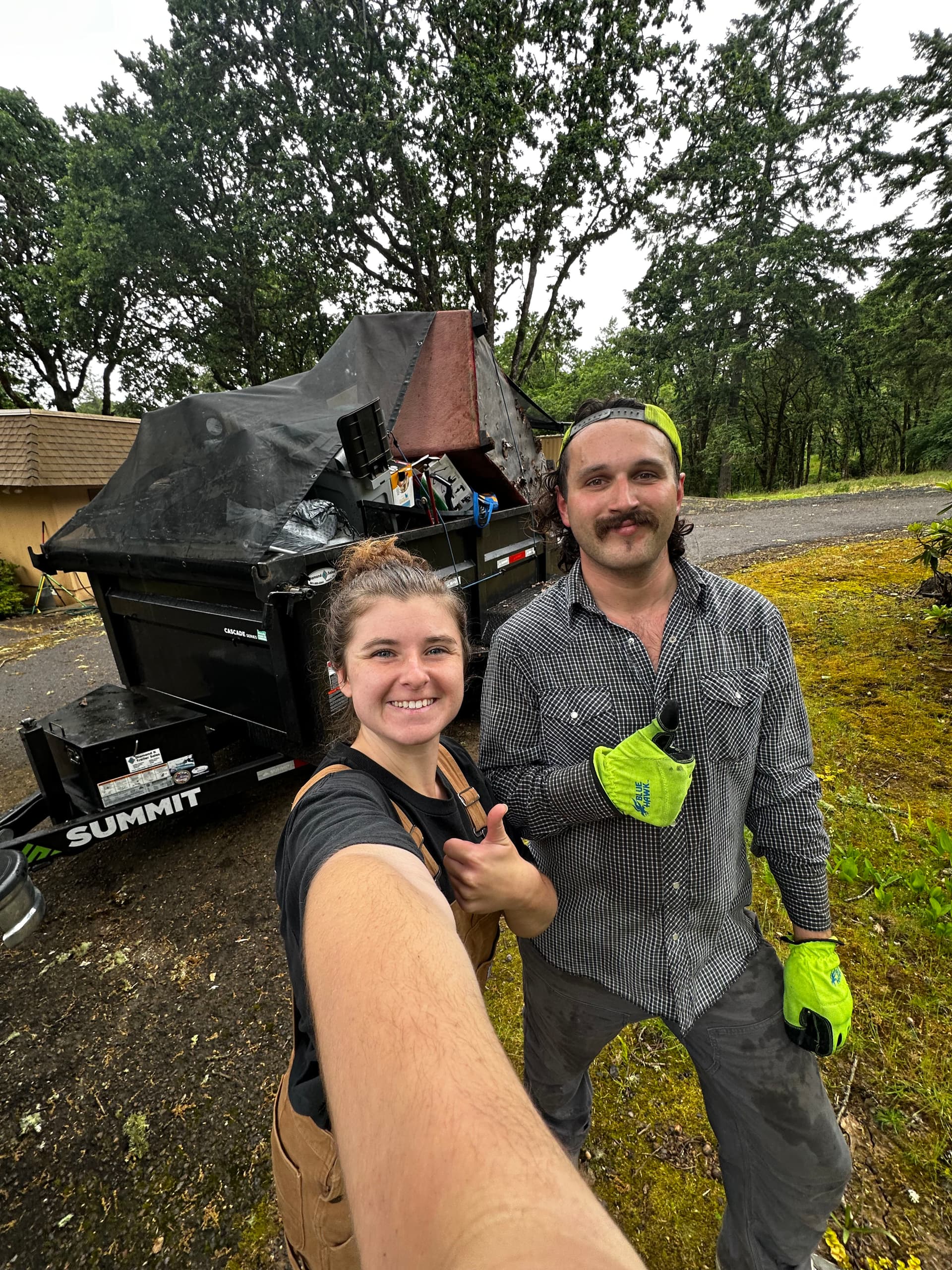
Helping Elderly Parents Move Without a Dumpster Headache
We recently got a call from a customer — let’s call him Mark — who was in the middle of moving his parents into assisted living. He’d flown in from out of state, his sister was about to head back home, and they were staring at a driveway full of 20 big black trash bags… with a whole house, garage, and steel shed still to go.
Mark had tried to get a traditional dumpster from the local garbage company, but between red tape and scheduling delays, he kept getting the runaround. Meanwhile, the grass at his parents’ house wasn’t getting mowed, the bags were piling up out front, and he was worried the place was starting to scream, “Hey, this house is vacant!”
That’s when he called us to ask, “Is there an easier way to handle all this without a dumpster — especially since I won’t even be in town next week?” His situation is incredibly common, so I want to walk through how we handled his cleanout and what options you have beyond a traditional dumpster rental.
Why Dumpster Rentals Can Be Tough During Elderly Moves
Dumpsters absolutely have their place, but when you’re relocating elderly parents, they can create more stress than they solve. Here are the main issues we see, just like in Mark’s case:
- Timing and availability: Big haulers often book out days or weeks in advance. When you’ve only got a few days in town, that’s a problem.
- Rigid placement rules: You usually need a clear, flat spot for the dumpster and sometimes permits if it’s in the street.
- Neighbors and curb appeal: A big metal box plus piles of debris can make a property look abandoned — not ideal when you’re trying to keep a home secure or prep it for sale.
- Labor is on you: With a dumpster, you’re doing all the heavy lifting and organizing yourself, which can be hard on adult children who may not be local or physically able.
For families juggling travel, emotions, and tight timelines, a full-service cleanout or junk removal option can be a lot more practical.
How Full-Service House Cleanouts Work (Like We Did for Mark)
When Mark called, he wasn’t even done bagging things up yet. They’d made a big dent, but there were still entire rooms and outbuildings untouched. Here’s the approach we took — and what you can expect if you choose a service like ours instead of a dumpster:
1. On-Site Assessment & Upfront Pricing
Every home is different, especially when parents have lived there for decades. That’s why we price per job, not per bag. We scheduled a time to swing by his parents’ place, walk the property, and look at:
- What was already bagged up and ready to go
- What was still in closets, bedrooms, and the garage
- Larger items like furniture, old appliances, and shed contents
From there, we gave Mark an upfront quote before any work started. For context, many house cleanouts like this fall somewhere in the few hundred to low thousand range depending on the size of the home, how packed it is, and how many truckloads it takes. Smaller “first sweep” pickups — like just those 20 bags — are often on the lower end.
2. Flexible, Staged Pickups
Because Mark was flying back home and his sister was also leaving soon, he asked if we could do an initial pickup right away, then a follow-up visit when he returned in August. That’s very common with assisted living moves — you don’t always want (or need) to do everything in one shot.
We scheduled:
- Visit 1: Remove the 20+ bags and obvious trash, clear the driveway, and reduce the “vacant house” look.
- Visit 2: A deeper cleanout later — furniture, old tools, items from the shed, and anything left after the family made final decisions.
With a dumpster, you’re usually locked into a fixed drop-off and pickup window. With full-service removal, we can plan around your travel dates and the pace your family is comfortable with.
What We Can (and Can’t) Take in a House Cleanout
One of the biggest questions families have is, “What exactly can you haul away?” As a rule of thumb, we can take almost anything you’d normally put in a dumpster, and often a bit more, including:
- Bagged household trash and loose debris
- Old furniture (couches, recliners, mattresses, dressers)
- Appliances (fridges, freezers, washers, dryers — sometimes with an extra recycling fee)
- Garage and shed contents (tools, lumber scraps, broken equipment)
- Boxes of old paperwork, clothes, and general clutter
- Yard waste piles and odds and ends around the property
There are a few categories we usually can’t take due to regulations or safety:
- Chemicals, paint, fuel, and hazardous materials
- Asbestos-containing materials
- Certain medical waste
If you’re not sure about an item, ask during the on-site estimate. We can often point you to local disposal options for the things we can’t legally haul.
Keeping the Property From Looking Vacant
Mark was especially worried that the pile of garbage bags and unmowed lawn were broadcasting, “No one lives here!” That’s a legitimate concern — especially if the house will sit empty for a bit before being rented or sold.
Here are a few steps we suggest to families moving parents into assisted living:
- Keep trash out of sight: If possible, stage bags in the garage or a side yard until pickup day instead of stacking them in the front driveway.
- Schedule an early pickup: Plan your first junk removal visit before you leave town so visible piles don’t sit for weeks.
- Maintain the basics outside: A quick mow and some basic yard tidying go a long way toward making a home look occupied and cared for.
- Use lights or timers: Simple timers on a few lights inside the home can help the property look lived in while it’s in transition.
With Mark, that first pickup cleared the driveway and made the home look a lot less abandoned, buying him peace of mind for the weeks he’d be away.
A Simple Step-by-Step Plan for Elderly House Cleanouts
If you’re staring at a full house and limited time, here’s a basic roadmap our customers find helpful:
- Sort first, room by room. Create three zones: keep, donate/sell, and trash. Bag up trash as you go.
- Stage items for removal. Pick an area (garage, carport, or one room) where you’ll stack trash and bulky items.
- Call for an on-site estimate. Even if you’re only halfway done, we can walk through and price both what you’ve got now and what’s likely coming.
- Plan for multiple visits if needed. One early “clear the obvious stuff” trip and one final sweep often works better than trying to do it all at once.
- Confirm payment and access. If you’ll be out of town, we can usually set up online payment and coordinate access so you don’t have to be on-site.
This approach keeps you from feeling like you’ve got to race the clock with a dumpster sitting in the driveway.
When a Dumpster Still Makes Sense (And When to Call Us)
There are times when a traditional dumpster is still the right fit — for example, if you’re doing a major renovation or demolition at the same time. But for most elderly parent moves into assisted living, a full-service house cleanout is:
- More flexible with scheduling
- Easier on out-of-town family members
- Less intrusive on the neighborhood
- Often comparable in cost once you factor in your time and labor
If you’re in a similar spot to Mark — limited time, overwhelmed by clutter, and frustrated with dumpster options — we’re happy to come out, walk through the property, and give you clear options and pricing. Our goal is to take the physical burden of the cleanout off your shoulders so you can focus on your parents and the big life transition they’re going through.